

Blog
What Is CBN in Weed? A Complete Guide to Cannabinol, Its Effects, Benefits and Uses

Anyone who has ventured into the cannabis universe would know all about THC and CBD, which are the two most popular cannabinoids from the cannabis plant. However, there is a third cannabinoid that is rapidly gaining much attention within the scientific field as well as the wellness sector, and that cannabinoid is none other than CBN, or cannabinol.
CBN is not an innovation; on the contrary, this cannabinoid was the very first one to be isolated by the scientific community some 100 years ago. The only thing is that it is only recently, as people have become increasingly interested in all cannabis-derived substances, that CBN has started receiving considerable attention among consumers and researchers.
Now CBN can be found in a growing range of wellness products, including sleep gummies, tinctures, and CBD edibles, making it more accessible to consumers than ever before.
But what is CBN actually? How is it made? How does it work? And how does it measure up to the CBD products that have now firmly established themselves in the wellness market? Here’s your comprehensive guide on what CBN is in marijuana to answer all of these questions for you in full detail.
What Is CBN? A Simple and Clear Definition

CBN is the abbreviation for cannabinol, which is a natural cannabinoid compound present in the cannabis plant. To better understand where cannabinoids come from, it’s also helpful to learn about cannabis flower, and CBN is the only cannabinoid that is not biosynthesized directly from the plant like THC and CBD.
CBN has played an important role in the history of cannabis research. It is the first cannabinoid compound discovered in cannabis, isolated in 1896 by British chemist Thomas Barlow Wood and others. It was decades before scientists discovered and studied THC and CBD, despite the historical significance of CBN as the first cannabinoid compound discovered.
How CBN differs from THC and CBD may be the key difference that needs to be well-known:
- THC (Tetrahydrocannabinol) is the primary psychoactive substance found in cannabis – the cannabinoid that gives cannabis its intoxicating effect known as a “high.” It is synthesized directly in cannabis and is highly concentrated in recreational cannabis and some types of medical cannabis.
- CBD (Cannabidiol) is the second-most common cannabinoid in cannabis after THC and is non-intoxicating. It has undergone significant research as a potential treatment for various disorders and is the main component of Epidiolex, a medicine approved by the FDA for the treatment of epilepsy.
- CBN (Cannabinol) is a minor cannabinoid that is found in cannabis in low amounts – the amount of CBN grows when THC breaks down, and the cannabis plant matures. It is mildly psychoactive in high amounts but is not typically intoxicating in common doses.
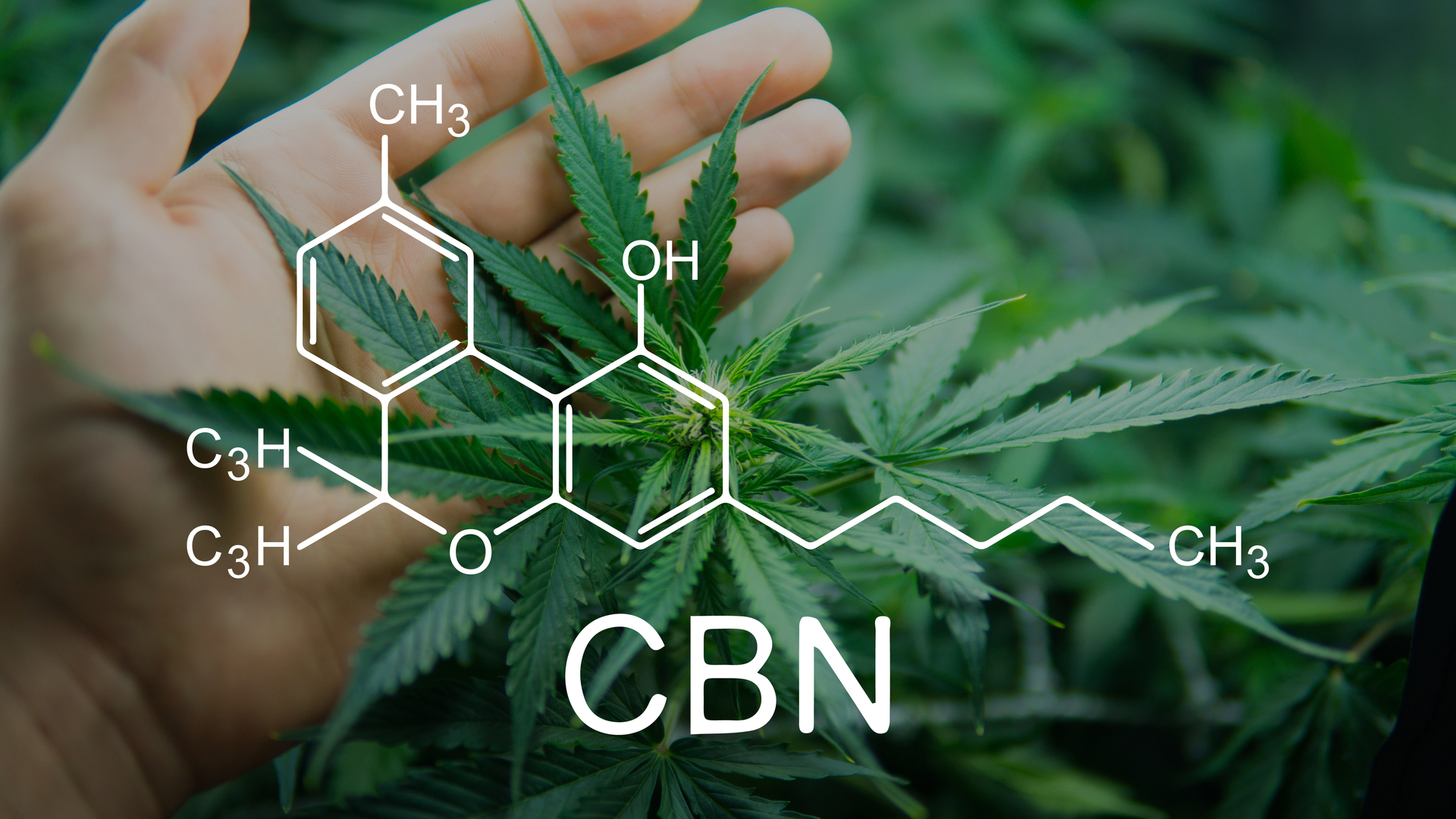
CBN is similar in its chemical makeup to THC, which is not surprising because it is a product of THC through oxidation. In other words, it has a similar chemical formula to cannabinoids, but it has an aromatized top ring, which is a product of the oxidation reaction.
How Does CBN Form in Cannabis?
It is important to know how CBN is made to understand what CBN is and why its amount differs considerably in different strains of marijuana.
CBN is a product of the degradation of THC. More precisely, it is formed through oxidation when THC molecules lose their electrons due to the influence of oxygen, heat, and light. New cannabis has very low amounts of CBN, as most THC in it remains unaffected by any outside influences.
To explain this process from a chemical perspective, it should be said that first, THC molecules in their acidic form (THCA) decarboxylate under the influence of heat (lose their carboxyl group) and become active THC. After that, this THC is oxidized and undergoes some chemical changes, forming CBN (cannabinolic acid).
Does old weed contain more CBN? Yes, it does, as research has demonstrated that improperly stored cannabis that has been kept for an extended period of time tends to lose quite a lot of its THC and to get more CBN in return.
In addition, studies have found that if left in the air for about four years, a portion of THC from the cannabis will be degraded, and most of it will become CBN. This is among the reasons why old and improperly stored cannabis is known for producing a very heavy and sedative effect because CBN might contribute to that experience.
How Does CBN Affect the Body?

In order to understand the way CBN works on the body, it is essential to understand the endocannabinoid system (ECS), a complicated biological system responsible for the action of the cannabinoids.
The ECS is a set of receptors, enzymes, and endocannabinoids (cannabinoids synthesized in the human body) that helps regulate an extraordinary range of physiological functions, including sleeping, pain sensations, immunity, hunger, mood, memory, and the inflammatory process.
There are two kinds of receptors of the ECS that interact with the cannabinoids. The CB1 receptors are located mostly in the central nervous system and are responsible for the psychoactivity and neuroactivity of cannabinoids, including the psychoactivity of THC. The CB2 receptors are located mostly in the peripheral nervous system and immune tissues.
This is what gives the action of CBN an edge over other types of cannabinoid action. CBN has a lower affinity to bind to CB1 receptors, which is far lower than that of THC. It is this lower affinity that makes it have lower psychoactivity compared to THC.
CBN has higher affinity to bind to CB2 receptors, and this accounts for the anti-inflammatory effect as well as immune modulation that CBN causes. In addition to these receptors, CBN acts on other types of receptors like TRPV2 receptors, which have something to do with pain perception and inflammation, and GABA receptors, which have something to do with sleep and anxiety management.
Potential Benefits of CBN
The exploration of CBN as a medicinal compound remains in a relatively early stage when compared to the wealth of knowledge gained through decades of scientific research on both THC and CBD. Nevertheless, the available data – derived from animal experiments, preliminary human trials, and anecdotal reports – indicate a few promising areas that might prove beneficial and require thorough investigation.
Use of CBN as a sleep aid is one of the most common applications of the compound in consumer-oriented advertising, and this is exactly the reason why there is such an explosive demand for products containing this cannabinoid lately.
According to the research conducted in 2021 by Steep Hill Laboratories, just 5mg of CBN had the same effect on human sleep as 10 mg of diazepam (Valium). It is a remarkable discovery but, once again, it requires further research to confirm.
Pain reduction and anti-inflammatory capabilities appear to be two of the most scientifically proven possible uses of CBN. In 2019, an article in the Archives of Oral Biology concluded that CBN is quite good at alleviating pain sensitivity in rats.
One of the most unexpected and intriguing potential applications of CBN is the antibacterial properties of the compound. In 2008, a groundbreaking article in the Journal of Natural Products reported an experiment examining the efficiency of CBN (and other cannabinoids) against different strains of MRSA (methicillin-resistant Staphylococcus aureus), an antibiotic-resistant bacterium causing thousands of deaths each year.
CBN vs CBD — What Is the Difference?
If you’re also comparing THC-rich cannabis varieties, read our guide on Sativa vs Indica. Learning the main distinguishing factors will help make an educated choice regarding which one suits you best.
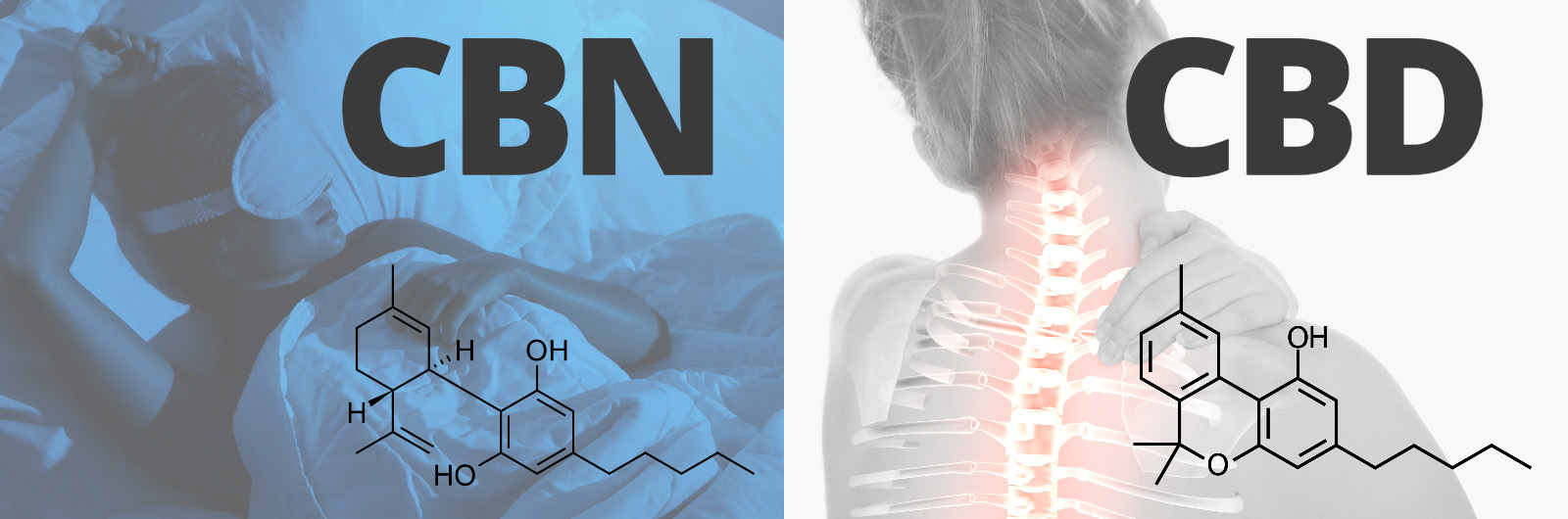
The production process is one of the main differences between the two. While CBD is produced within the cannabis plant itself by natural bio-synthesis processes – being abundantly found in the CBD-rich cannabis flowers harvested from specially grown hemp- it is then extracted via well-known industrial processes such as CO2 and ethanol extraction; CBN is not naturally synthesized in sufficient quantities by the plant; instead, it is a product of the degradation of THC through oxidation. How their effects differ reflects their different interactions with the endocannabinoid system and other biological targets:
- CBD has essentially no psychoactive effects and is non-intoxicating at any typical dosage. Its primary mechanisms involve indirect modulation of the endocannabinoid system (it does not bind directly to CB1 or CB2 receptors with high affinity), interaction with serotonin receptors, and modulation of various ion channels and enzymes. CBD has the strongest clinical evidence base of any cannabinoid outside THC — including an FDA approval for childhood epilepsy treatment.
- CBN is mildly psychoactive at higher doses — it binds to CB1 receptors (though with much lower affinity than THC) and has somewhat stronger CB2 receptor activity than CBD.
A clear comparison of CBN vs CBD across key dimensions:
| Feature | CBN | CBD |
|---|---|---|
| Psychoactivity | Mildly psychoactive | Non-psychoactive |
| Origin | THC degradation | Direct plant synthesis |
| Availability | Lower concentrations | Higher concentrations |
| Primary effects | Sedation, relaxation | Broad wellness support |
| Research base | Early stage | Extensive |
| FDA approval | None | Epidiolex (epilepsy) |
| Best known for | Sleep support | Anxiety, pain, epilepsy |
Types of CBN Products Available Today
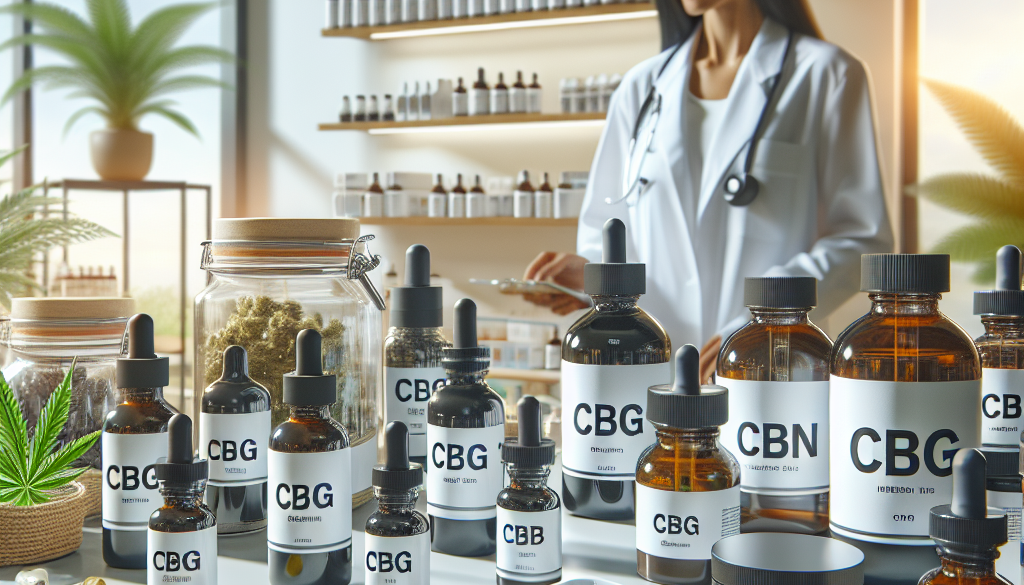
CBN Oil and Tinctures
However, most CBN-containing products that are easily obtainable and utilized by customers consist of CBN oil and tinctures, and there are many reasons for that. In fact, there are multiple advantages that tinctures have and make them superior to other forms of delivering substances.
People interested in cannabinoid wellness products often explore cosmetics & personal care products alongside tinctures as part of their daily routine. Additionally, tinctures can be flavored to mitigate the bitterness of the cannabinoid extract. Tinctures are consumed orally by applying several drops under the tongue and keeping them there for 60 to 90 seconds before swallowing.
The sublingual application is considered one of the most useful properties of CBN oil. When CBN is applied sublingually, its molecules reach the bloodstream faster than in the case of consumption, providing effects usually after 15 to 45 minutes, which is not as long as one to two hours in the case of eating the product.
Moreover, the consumption of CBN tinctures is quite accurate because one can accurately measure their dose thanks to the dropper and regulate it accordingly depending on the reaction. Most CBN tinctures come in different concentrations (from 300 mg up to 1500 mg per bottle). The use of the tinctures usually involves taking them together with the CBD and sometimes also with melatonin or other compounds aimed at promoting better sleep.
As for the purchasing of the CBN tinctures, it is recommended to look for products made by companies that have a Certificate of Analysis (third-party lab testing results), indicating the content of CBN and the lack of any contaminants (pesticides, heavy metals, etc.).
CBN Gummies and Edibles
CBN gummies and edibles are rapidly becoming one of the most widely consumed forms of CBN products, thanks to their easy application, good flavor, and the tried-and-tested method that has made CBD gummies a common wellness product. Gummies are especially favored as a sleep product and are usually sold as an evening/nighttime product, being supplemented with other natural ingredients such as CBD, melatonin, L-theanine, or chamomile extract.
What matters regarding CBN edibles is their slow onset of action. Edibles require digestion and metabolism in the liver in order for CBN to enter the bloodstream and, therefore, the time for the onset of effects is between 45 minutes and 2 hours. That makes it considerably slower than sublingual oils or inhaled forms. Thus, consuming the CBN product one to two hours before bedtime is necessary to achieve the desired effect.
Though edibles may have slower effects, they also come with the benefit of lasting effects compared to other quicker methods. Because of the slow process of digestion and absorption, CBN contained in edibles usually lasts in your system for about 4 to 8 hours, which will be useful for your sleep purposes where the whole effect is needed throughout the night.
Usually, each gummy contains 5mg to 25mg of CBN together with 10mg to 25mg of CBD. If you are a beginner in taking CBN edibles, begin with smaller doses (5-10 mg). If you’re unsure whether edibles are the right choice, compare them with other cannabis consumption methods in our guide on Smoke vs Edibles vs Modern THC Products.
CBN Capsules and Softgels
CBN capsules and softgels deliver the same basic advantages of edibles — convenience, predetermined dosage, discretion, and no flavor — in a clinically familiar supplement format, which some prefer over the more luxurious form of gummies. Users who take several supplements daily and do not want their routine for health maintenance to be too indulgent and more supplement-like will find CBN capsules highly suitable.
The time of onset is identical for capsules and softgels to edibles (45 minutes to 2 hours), since both are delivered through digestion in the same way. The latter might absorb a little bit better than the former owing to their liquid form, which is easier to process through the digestive system than the solid.
CBN capsules can be full-spectrum or broad-spectrum, in the sense that these formulations include not only isolated cannabinoid CBN, but the entire array of cannabinoids, terpenes, and other substances included in cannabis extract. It is claimed that full-spectrum products are more effective due to the so-called entourage effect — a synergistic reaction between various cannabis compounds providing a greater therapeutic effect.
CBN Topicals and Creams
CBN topicals, which include creams, balms, salves, and lotions, are designed for localized application. Similar lotion products are popular for supporting everyday skincare routines. This is because they are meant to be used on specific parts of the body rather than entering the body’s systems via the bloodstream.
The application of CBN topicals on the skin causes a reaction between the CBN molecules and the CB2 receptors, together with other receptors found in the skin and its underlying tissues. This offers the possibility of getting localized anti-inflammatory and pain relief in the particular area of application.
A crucial difference when it comes to topical drugs is that of topicals and transdermals. Traditional topicals (creams, salves, lotions) are intended to act on the receptors present in the skin and superficial tissue but do not penetrate deep enough to enter the bloodstream in appreciable amounts.
Transdermal patches, on the other hand, employ special formulations and chemical penetration agents to transport the cannabinoids across the skin barrier and into the blood – producing systemic effects akin to those of any other form of administration.
CBN Vape Products
CBN vape products like vape cartridges, disposable vape pens, and vape oil to be used with compatible devices work by inhalation, and this results in the quickest onset time of any delivery method for CBN. Vapor, when inhaled, goes directly into the bloodstream via lung tissues, resulting in the manifestation of the effects in 5 to 15 minutes — much quicker than any form of an oral intake method.
This quick onset time makes vape products popular among users who require fast-onset CBN effects — for example, due to acute anxiety or pain flares, or simply because they want to take their CBN right before bed instead of one-two hours before going to sleep. Inhaling CBN, however, usually leads to the shortest duration — lasting about 2 to 3 hours compared to 4 to 8 hours in edibles.
But it is important to approach CBN vapes with the necessary level of caution. The issues that arose in relation to vaping devices – in particular, the outbreak of EVALI (e-cigarette or vaping product use-associated lung injury) cases related mostly to the presence of vitamin E acetate in illegal THC vapes in 2019 – remind us of the dangers of using vape products of unknown quality. If you opt for using CBN vapes, buy only those from trusted brands that present detailed third-party lab test reports of their products.
Is CBN Legal?
One of the main things that people want to know about CBN is its legality – a question with a complicated answer, depending on where the CBN came from. In the United States, the legal situation regarding CBN is determined largely by the 2018 Farm Bill, a piece of federal law that made hemp (and thus hemp-derived products) legal at the federal level (hemp being cannabis with THC content under 0.3%).
Practically speaking, however, CBN products from hemp are readily available in commerce in the United States without substantial regulatory enforcement and are considered, from a legal perspective, to fit the purview of the Farm Bill.
The regulations on cannabinoid products other than THC and CBD vary widely depending on the state in question, and even specific regulations exist for certain minor cannabinoids in some states. Be sure to check the regulations in your state for any purchases you make.
CBN derived from marijuana (which is a cannabis product containing more than 0.3% THC) is treated legally in the same way as marijuana and is therefore illegal under federal law and classified as a Schedule I controlled substance, but is legal for medical and recreational use in states that have legalized marijuana through their legislation.
How to buy CBN legally and safely:
- Purchase only from reputable brands that clearly state their CBN is hemp-derived
- Look for products with a comprehensive third-party Certificate of Analysis (COA) confirming cannabinoid content and contaminant testing
- Verify that the product’s THC content is below 0.3% — the federal legal threshold for hemp-derived products
- Check your state’s specific regulations on minor cannabinoids before purchasing
- Purchase from brands with transparent sourcing, manufacturing, and testing practices
- Avoid purchasing CBN products from unverified sources, marketplaces, or vendors who cannot provide lab testing documentation